
Agome-Kusuntu Agome-Kusuntu
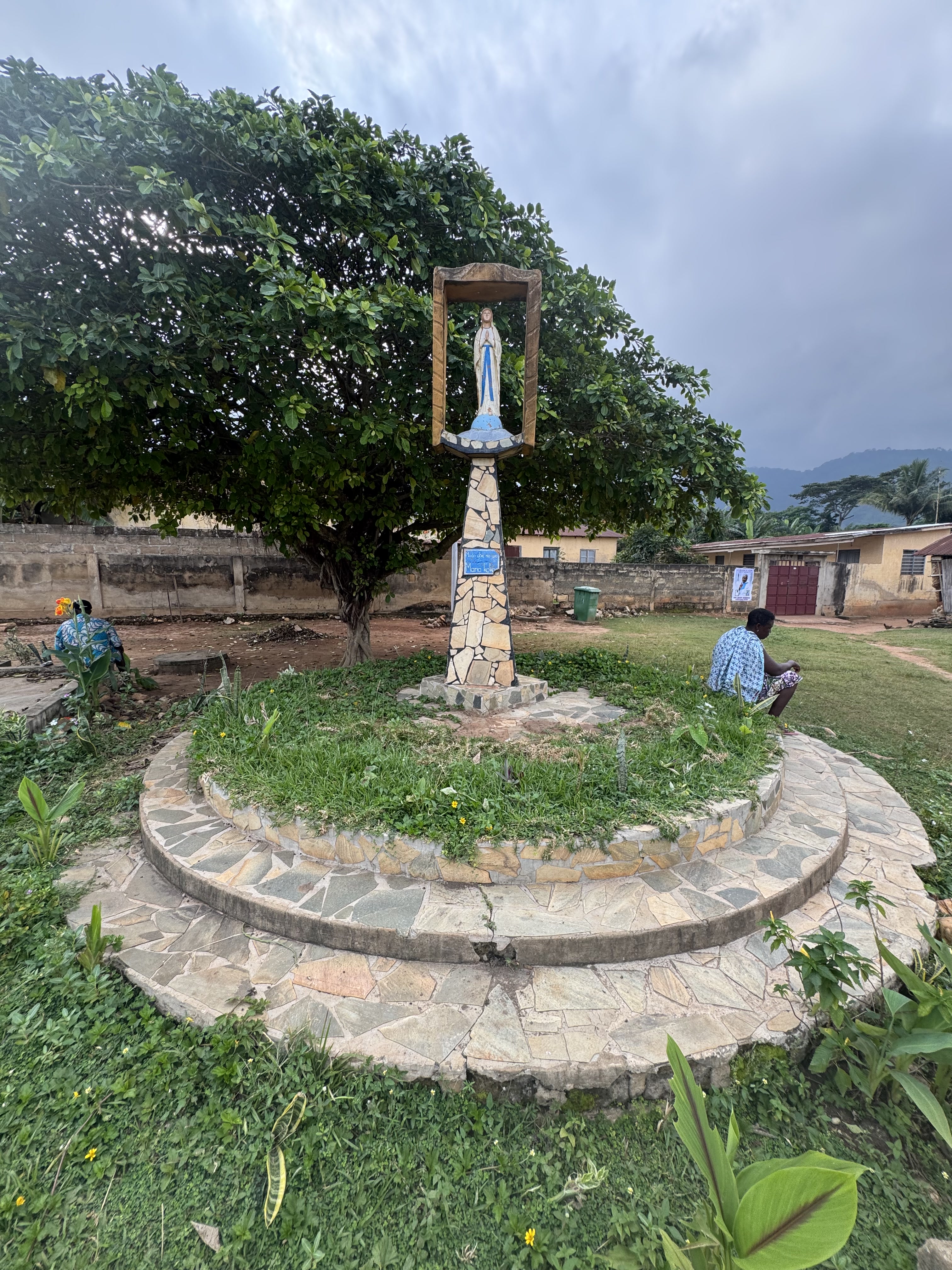
Marial square in Agome-Kusuntu

Discover Agome Kusuntu

History, geography and identity of an Ewe village in the heart of Kloto prefecture.

Marial square in Agome-Kusuntu

Our identity

A living village, rooted in memory and looking to the future

The village is one of the five settlement locations of the Agomé Ewe group. It is located at the foot of Mount Kloto in the Plateaux region, surrounded by forests, rivers, and lush green hills. Integrated into the conurbation of the city of Kpalimé, Agome-Kusuntu is administratively attached to the municipality of Kloto 3 in the Kloto prefecture (Plateaux Region). Crossed by the Missahoé road, it is bordered to the north by the village of Agome Yoh, to the south by the town of Agome Kpalime, to the east by Agome Kpodzi, and to the west by the village of Hanyigba. The village of Agomé Kusuntu is organized around six (06) neighborhoods: (1) Adetidome; (2) Tsanyigbomé/Wuidomé; (3) Ahalasiwui; (4) Avewi/Adekpo; (5) Yoxoko; and (6) Adzakpo.

Agome-Kusuntu at a glance

A few figures that place the village in its territory and community.

Plateaux

Region

Kloto

Prefecture

Kloto 3

District

2,120

Population

What structures the village

Territory, social organisation, history and chieftaincy form the backbone of Agome-Kusuntu.

01

Geography and natural setting

Agome-Kusuntu is located at the foot of Mount Kloto, between forests, rivers and lush green hills. It is integrated into the conurbation of the city of Kpalimé and is administratively attached to the municipality of Kloto 3 in the Prefecture of Kloto. Crossed by the Missahoé road, the village is bordered to the north by Agome Yoh, to the south by Agome Kpalimé, to the east by Agome Kpodzi and to the west by Hanyigba. The rivers Lo-me (Lomémé), He, Avloto, Hade and Wloko water the land and shape everyday life.

02

Neighborhoods and farms

The village of Agomé Kusuntu is organized around six neighborhoods: (1) Adetidome; (2) Tsanyigbomé/Wuidomé; (3) Ahalasiwui; (4) Avewi/Adekpo; (5) Yoxoko; and (6) Adzakpo. It also includes four farms: Butsume, Havu, Batinu and Pamplo Kope. Each unit has its elders and takes part in governance under the traditional chieftaincy.

03

History and foundation

Oral traditions and local archives bear witness to a community deeply attached to the preservation of its heritage, rites, and social cohesion. Agomé-Kusuntu is the final settlement location of one of the Ewe groups, the Agomé, who took a north-western migration route following the exodus from Notsé. The origins of the village date back to between the late 17th and early 18th centuries, after the Agomé settled in the Mount Meleku region (now Mount Kloto) following a stopover at the Anidi site northwest of Notsé. It was there that the Agomé, led by Chief Tsali, lived alongside other groups before dispersing with other Ewe communities.

04

Traditional chieftaincy

The village is led by a chief. The traditional chieftaincy consists of a council of elders and notables, neighborhood chiefs, lineage heads, the youth leader Duto (responsible for enthronement ceremonies), Fiato (sponsor/patron of the chief), Dumetsitsiawo (the village elders), the chief’s secretary, and the Queen Mother. The designation of the chief is determined by lineage, and the office is held for life. Togbui Fianu VI — ATUTONU Kossi Yatso Célestin Israël — has been reigning since 2005.

A discovery in 4 stages

From territory to chieftaincy, a path to understand Agome-Kusuntu.

1

The territory

Mountains, rivers and customary boundaries shape village life.

2

The community

Six quarters and four farms carry daily life and solidarity.

3

Memory

Foundation, oral stories and Ewe heritage link past to present.

4

Chieftaincy

Customary authority guides unity, rites and shared development.

What you will find

An authentic encounter with the land, culture and community.

Kloto landscapes

Mountains, rivers and valleys that structure the village.

Living heritage

Traditions, crafts and know-how passed to the young.

Dumenyo hospitality

A warm welcome for visitors and the diaspora.

Local governance

Chieftaincy, elders and CVD serving the common good.

Ewe roots

Memory of Notse and cohesion of Agome canton.

Shared projects

A community committed to its children's future.

Ready to discover Agome Kusuntu?

Explore the places, the culture and the Chief's message.